Gastroenterology

Overview

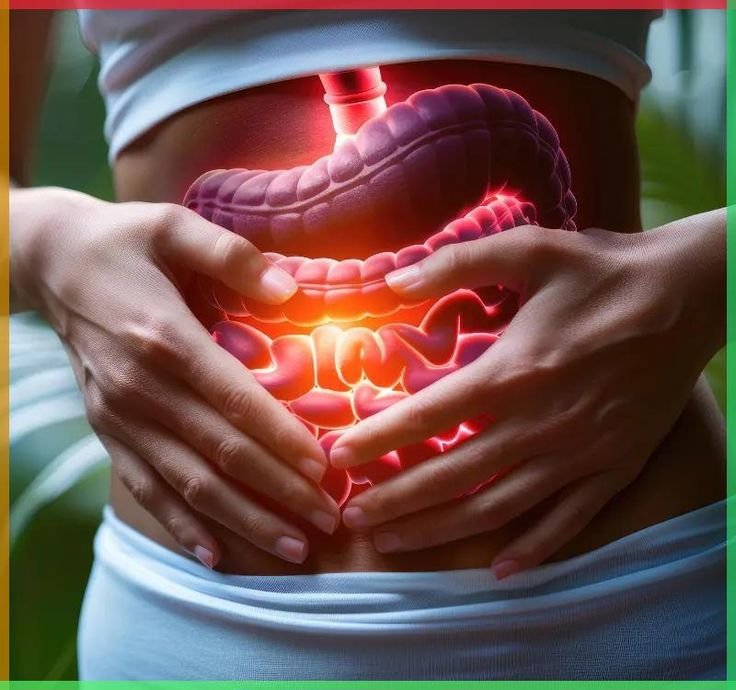
Comprehensive digestive health services, including endoscopy, liver care, and gastrointestinal
surgeries.

Symptoms

Stomach and Digestive Pain

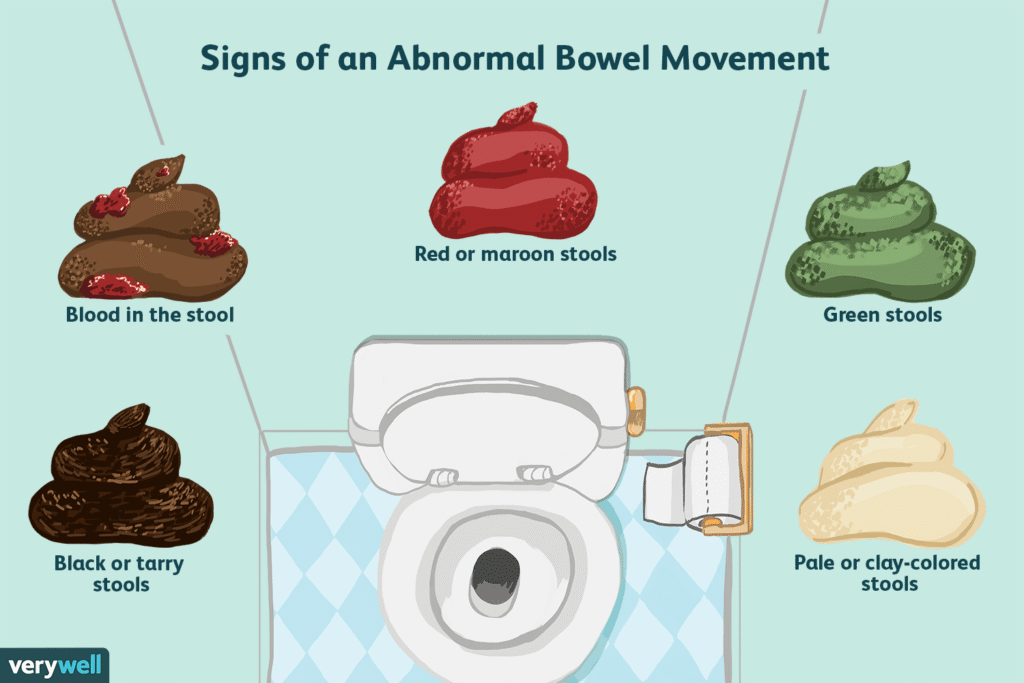
Bowel Movement Changes

Acid and Swallowing Issues

Treatments

baby4

A common cold is a mild viral infection that mainly affects the nose and throat. 

A cough is a natural reflex that helps clear mucus, dust, or irritants from the airways. 

Respiratory conditions affect the lungs and airways, making breathing difficult. These include infections like bronchitis and pneumonia, as well as chronic diseases such as asthma and chronic obstructive pulmonary disease (COPD).

er

Feeding and nutrition problems can affect a child’s growth, immunity, and overall development. Treatment focuses on identifying the cause, correcting deficiencies, and supporting healthy eating habits.

Feeding and nutrition problems occur when the body does not receive adequate or proper nutrients needed for healthy growth and daily functioning.

 Common problems include poor appetite, difficulty in chewing or swallowing, unbalanced diets, and inadequate intake of essential nutrients such as proteins, vitamins, and minerals
bj

Vomiting and diarrhea are common problems in children, often caused by infections or digestive issues. If not treated properly, they can lead to dehydration, which is the most serious complication.

Blurred vision is a common eye-related problem in which objects appear unclear, fuzzy, or out of focus.

It can affect one or both eyes and may develop suddenly or gradually. Blurred vision can occur due to refractive errors such as nearsightedness, farsightedness, or astigmatism, as well as eye strain from prolonged screen use.


Frequently Asked Question

Answers to Your Most Common Questions

What is Gastroenterology?

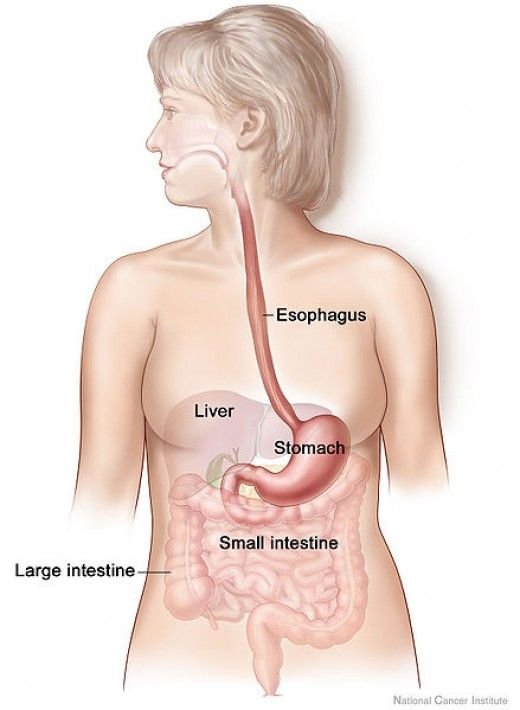
Gastroenterology is the medical field that focuses on the digestive system, including the stomach, intestines, liver, pancreas, and gallbladder.

Symptoms such as persistent stomach pain, acid reflux, bloating, constipation, diarrhea, or blood in stool should be checked by a specialist.

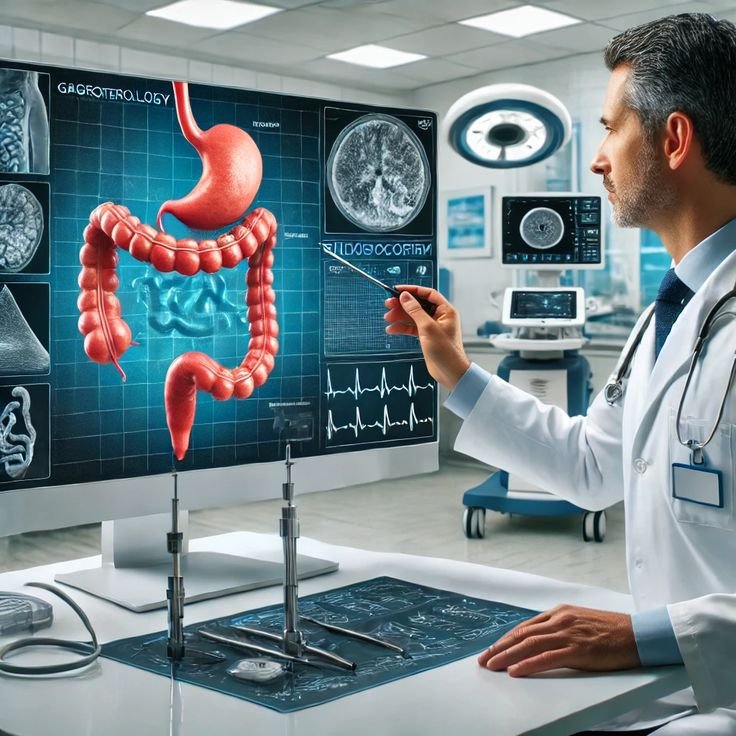
Common tests include endoscopy, colonoscopy, ultrasound, blood tests, and stool tests to diagnose digestive problems.

Digestive issues can be prevented by eating a balanced diet, drinking enough water, exercising regularly, and avoiding excessive spicy or fatty foods.

Your Health Is Our Priority

Schedule your consultation today and experience trusted healthcare with compassion.

ChatGPT_Image_Jan_29__2026__10_29_47_AM-removebg-preview

Partners

• All Rights Reserved • Developed by BookMyWebsite
Shopping cart0
There are no products in the cart!
Continue shopping
0