General Surgery

Overview
Safe, precise, and minimally invasive surgical procedures designed for faster recovery and minimal discomfort
Symptoms
Abdominal Surgery
- Persistent or severe abdominal pain
- Bloating or swelling in the abdomen
- Nausea, vomiting, or digestive issues
- Blood in stool or urine
- Hernia or bulging in the abdominal wall

Breast Surgery
- Lumps or thickening in the breast tissue
- Pain or tenderness in the breasts
- Nipple discharge or bleeding
- Changes in breast size, shape, or skin texture
- Swelling in the armpit
Skin Surgery
- Non-healing wounds or ulcers
- Unusual moles or skin growths
- Pain, redness, or swelling at a skin site
- Excessive scarring or keloid formation
- Changes in skin color or texture


Head Surgery
- Persistent or severe headaches
- Dizziness, confusion, or memory changes
- Facial trauma or fractures
- Seizures or loss of consciousness
- Vision changes, swelling, or numbness
Neck Surgery
- Neck pain or stiffness
- Swelling or lumps in the neck
- Difficulty swallowing or breathing
- Numbness or weakness in the arms or hands
- Hoarseness or persistent throat issues

Treatments
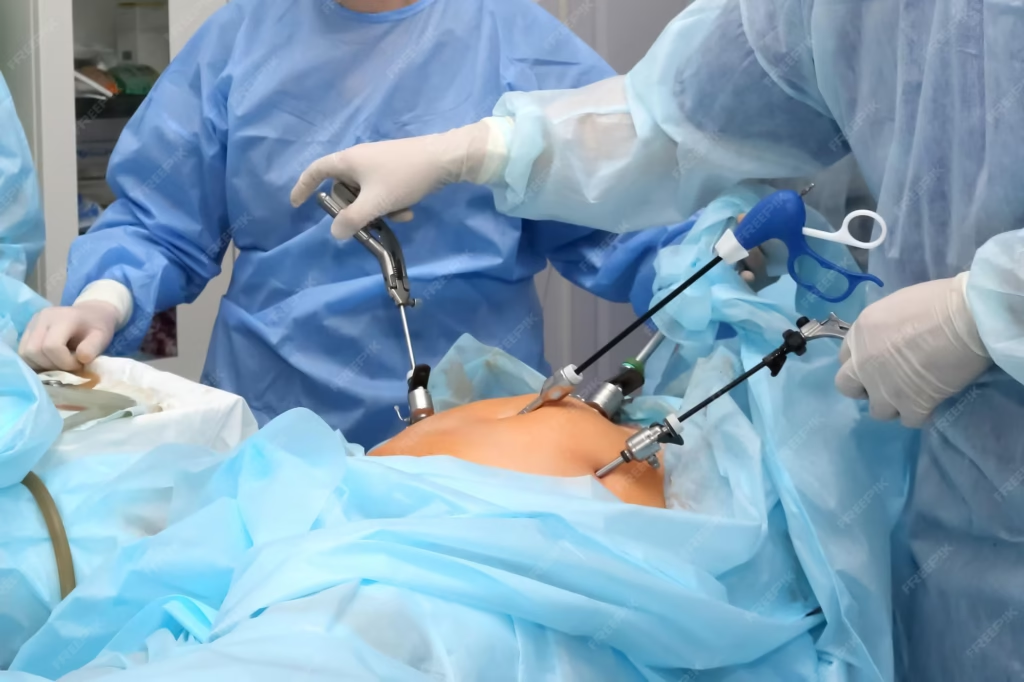
Abdominal surgery involves treating organs inside the abdominal area, such as the stomach, intestines, liver, gallbladder, pancreas, kidneys, bladder, and reproductive organs.
Abdominal surgery refers to surgical procedures performed on the organs inside the abdomen, such as the stomach, intestines, liver, gallbladder, pancreas, appendix, spleen, and reproductive organs. These surgeries are done to diagnose, treat, or manage various conditions including infections, injuries, tumors, blockages, inflammation, and congenital problems. Depending on the condition, abdominal surgery may be planned (elective) or performed urgently in emergency situations like appendicitis or internal bleeding

Breast surgery involves medical, reconstructive, and cosmetic procedures aimed at treating breast diseases, restoring breast shape, or enhancing appearance.
Breast surgery refers to surgical procedures performed on the breast tissue for medical, reconstructive, or cosmetic purposes.
It is commonly done to diagnose or treat conditions such as breast cancer, benign breast lumps, infections, abscesses, or developmental abnormalities. In some cases, breast surgery is also performed to reduce the risk of cancer in high-risk individuals or to improve breast appearance and symmetry.

Skin surgery involves procedures that treat medical skin conditions, repair damaged tissue, or enhance appearance.
Medical surgeries such as skin cancer excision, Mohs surgery, and skin grafts help remove diseased tissue and restore healthy skin. Cosmetic and reconstructive options like scar revision, mole or cyst removal, and laser resurfacing are performed to improve skin texture, appearance, or function.
Recovery includes keeping the wound clean and covered, managing pain with medications or cold compresses, and avoiding strenuous activities until healing improves. Possible risks include infection, bleeding, scarring or keloids, and temporary numbness.

Head surgery includes neurosurgical, trauma-related, and cosmetic procedures performed to treat brain and skull conditions, repair injuries, or enhance facial appearance. Recovery after breast surgery varies with the type of procedure performed. Patients may experience pain, swelling, bruising, or temporary numbness in the operated area.
Breast surgery refers to surgical procedures performed on the breast tissue for medical, reconstructive, or cosmetic purposes. It is commonly done to diagnose or treat conditions such as breast cancer, benign breast lumps, infections, abscesses, or developmental abnormalities. In some cases, breast surgery is also performed to reduce the risk of cancer in high-risk individuals or to improve breast appearance and symmetry.
Neck surgery includes procedures that treat cervical spine problems, thyroid or parathyroid disorders, tumors, and airway-related conditions.
Neck surgery refers to surgical procedures performed on the structures of the neck, including the thyroid gland, parathyroid glands, lymph nodes, blood vessels, nerves, windpipe (trachea), and muscles.
It is commonly done to treat conditions such as thyroid disorders, neck tumors, enlarged lymph nodes, infections, congenital abnormalities, and injuries. Neck surgery may also be required for cancer treatment, airway problems, or to diagnose unexplained neck swellings.
Frequently Asked Question
Answers to Your Most Common Questions
What is general surgery?
General surgery involves diagnosing and treating conditions related to the abdomen, breast, skin, thyroid, trauma, and soft tissues through surgical procedures.
When should I consult a general surgeon?
You should see a general surgeon if you experience severe abdominal pain, swelling, lumps, persistent infections, hernias, gallbladder issues, thyroid problems, or require evaluation for any surgical condition.
Is every surgery performed as an open surgery?
No. Many procedures are minimally invasive (laparoscopic), which use small incisions, less pain, and faster recovery. Open surgery is done only when required.
How long is the recovery after surgery?
Recovery varies by procedure. Minor surgeries may require a few days, while major abdominal or thyroid surgeries may need 2–6 weeks. Your surgeon will provide a personalized recovery plan.
Will I feel pain after surgery?
Some discomfort is normal. Pain is well-managed with medications, and it typically improves within a few days.
What should I avoid after surgery?
Avoid strenuous activities, lifting heavy weights, smoking, and driving until your surgeon advises. Follow all wound care and medication instructions strictly.
What are the risks or complications of general surgery?
Possible risks include infection, bleeding, swelling, scarring, anesthesia reactions, or delayed wound healing. These are minimized with proper care and monitoring.
Your Health Is Our Priority
Schedule your consultation today and experience trusted healthcare with compassion.

Quick Links
Partners
- For Doctors
- For Corporates
