Gynecologist
Overview
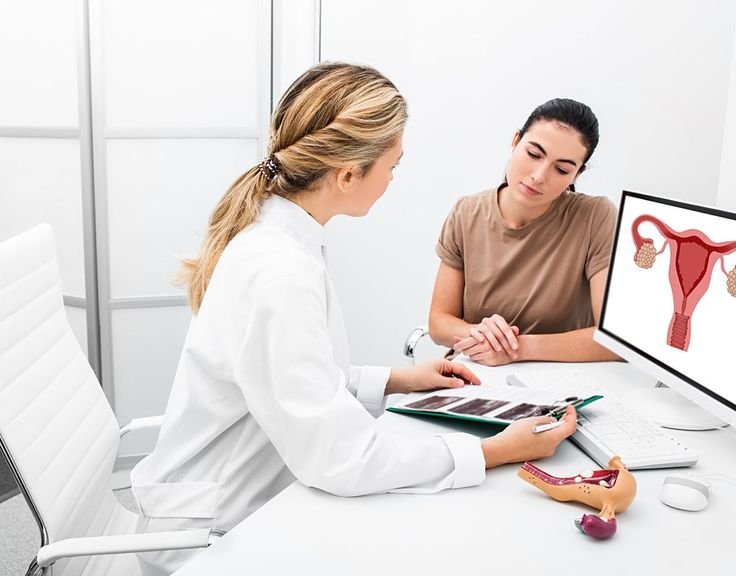
Comprehensive women’s health services, including maternity care, fertility treatments, and advanced gynecological surgeries.
Symptoms
Obstetrics Diagnosis
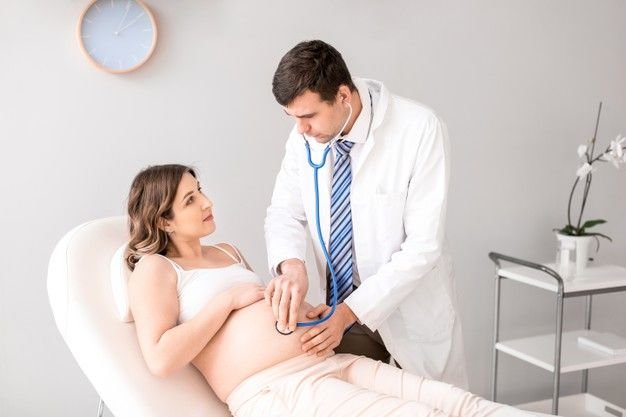
- Multiple Pregnancies
- Intrauterine Growth Restriction (IUGR)
- Pregnancy-induced Hypertension
- Gestational Diabetes
- Endocrine Disorders
Gynecology Diagnosis
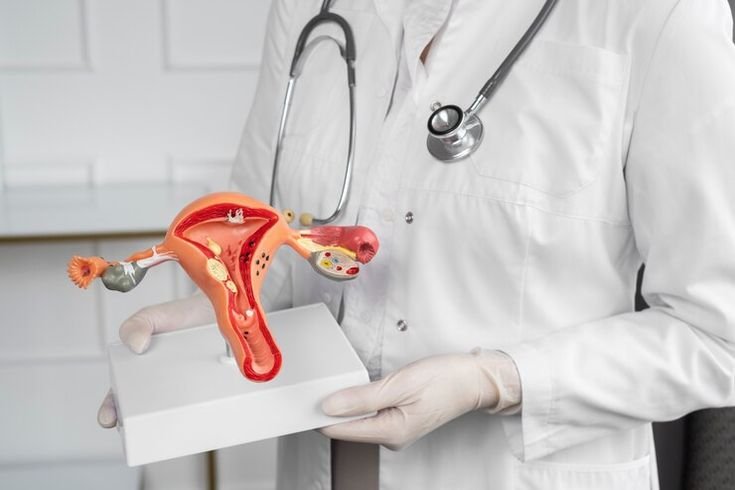
- Polycystic Ovary Syndrome (PCOS)
- Pelvic Inflammatory Disease (PID)
- Screening for Gynaecological Malignancies
- Perimenopausal and Postmenopausal Symptoms
- Adolescent Gynaecology
Procedures
- Normal Delivery Replacement
- Cesarean (C-Section) Delivery
- High-Risk Pregnancy Management
- Ovarian Cyst Removal
- Infertility Evaluation & Treatment
- Infertility Evaluation & Treatment
- Infertility Evaluation & Treatment
- Laparoscopic Gynecological Surgery
- Fibroid Removal (Myomectomy)
- PCOS & Hormonal Disorder Treatment
- Tubectomy / Family Planning Procedures
Treatments
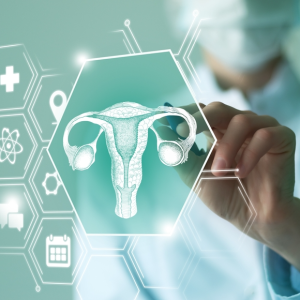
A hysterectomy is a surgical procedure to remove a woman’s uterus—and sometimes the cervix or surrounding tissues—to treat conditions such as severe fibroids, chronic pelvic pain, heavy menstrual bleeding, endometriosis, uterine prolapse, or cancers of the reproductive organs. Depending on the medical need, it may involve removing only the uterus or additional structures, and can be performed abdominally, vaginally, laparoscopically, or with robot-assisted techniques under general or regional anesthesia. Recovery varies by procedure type, requiring rest, pain management, and a gradual return to normal activities, and the surgery permanently ends menstruation and the ability to become pregnant.
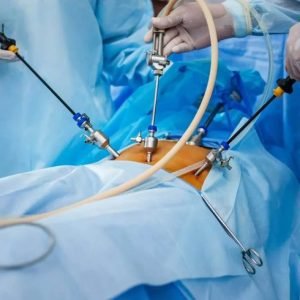
A myomectomy is a surgical procedure to remove uterine fibroids (non-cancerous growths) while preserving the uterus, making it ideal for women who wish to maintain fertility. It is recommended for those experiencing heavy menstrual bleeding, pelvic pain, pressure, frequent urination, or difficulty conceiving due to fibroids. Depending on the size and location of the fibroids, the surgery may be performed through an abdominal incision, with minimally invasive laparoscopic or robotic techniques, or through the vagina using hysteroscopy. Usually done under general anesthesia, myomectomy helps relieve symptoms and improves overall reproductive health and quality of life.
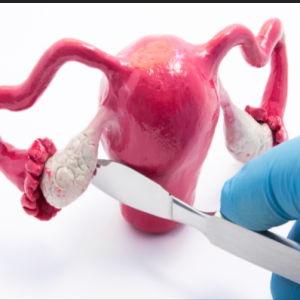
An oophorectomy is a surgical procedure to remove one or both ovaries, performed to treat conditions such as ovarian cysts, endometriosis, pelvic infections, benign or cancerous ovarian tumors, or to reduce cancer risk in high-risk individuals. It may involve removing one ovary (unilateral) or both (bilateral), with the latter causing immediate surgical menopause in premenopausal women. The surgery can be done through an open abdominal incision or using minimally invasive techniques like laparoscopy or robotic surgery, under general anesthesia. Recovery varies depending on the surgical method, and the procedure helps relieve symptoms, treat underlying conditions, and prevent potential health risks.
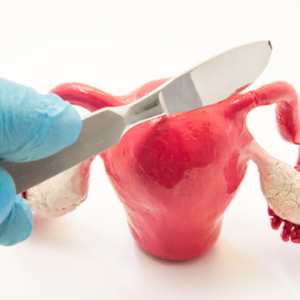
A salpingectomy is a surgical procedure to remove one or both fallopian tubes and is performed for various medical reasons, including ectopic pregnancy, blocked or damaged tubes, infections, endometriosis, or to reduce the risk of ovarian cancer. It can be done as a unilateral salpingectomy (removal of one tube) or bilateral salpingectomy (removal of both tubes), the latter resulting in permanent infertility. The procedure may be performed through traditional open surgery or minimally invasive laparoscopy, depending on the patient’s condition and urgency of treatment. Typically done under general anesthesia, a salpingectomy offers effective relief from symptoms, prevents complications, and can significantly reduce future cancer risks in high-risk patients.
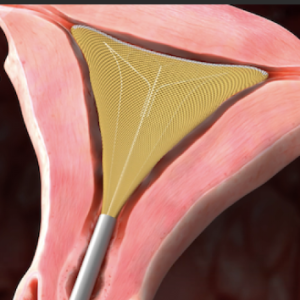
Endometrial ablation is a minimally invasive procedure designed to treat heavy or prolonged menstrual bleeding by removing or destroying the lining of the uterus (endometrium). It is typically recommended for women who have not responded to medication and do not wish to undergo a hysterectomy. The procedure can be performed using various techniques, including thermal, radiofrequency, or freezing methods, and is usually done on an outpatient basis. Endometrial ablation helps reduce menstrual flow, relieve symptoms, and improve quality of life, though it is not intended for women who wish to conceive in the future.
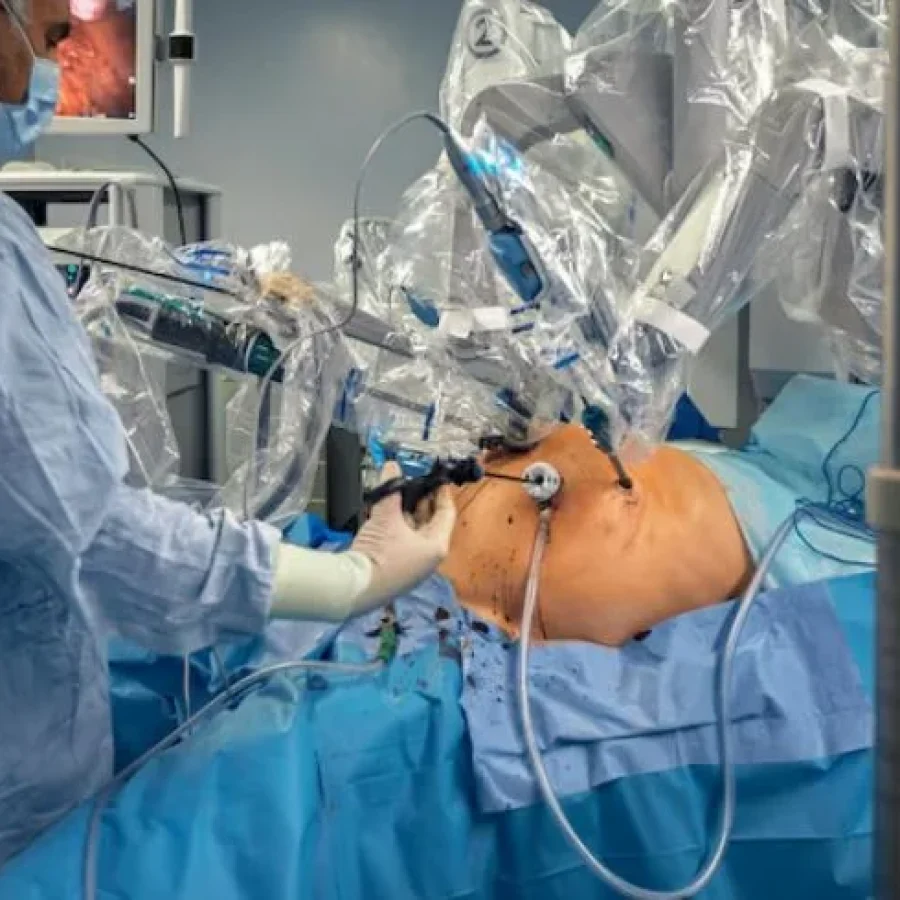
Laparoscopic and hysteroscopic surgeries are minimally invasive procedures used to diagnose and treat a variety of gynecological conditions. Laparoscopy involves small abdominal incisions through which a camera and surgical instruments are inserted to address issues like ovarian cysts, fibroids, endometriosis, and chronic pelvic pain, offering faster recovery and minimal scarring. Hysteroscopy involves inserting a thin camera through the vagina and cervix to examine and treat the uterine cavity, including removal of polyps, fibroids, or adhesions. Both techniques are preferred for their precision, reduced hospital stay, and quicker return to daily activities compared to traditional open surgeries.
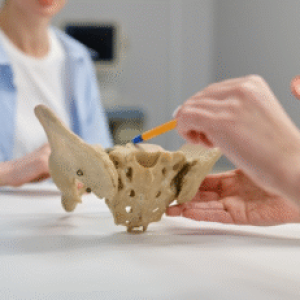
Pelvic organ prolapse surgeries are performed to correct the descent of pelvic organs such as the bladder, uterus, or rectum into the vaginal canal, which can cause discomfort, urinary or bowel problems, and a feeling of pressure. Surgical options, including sacrocolpopexy and colporrhaphy, aim to restore the normal position and support of these organs using the patient’s tissue or synthetic mesh. These procedures can be performed through minimally invasive or open techniques, helping improve bladder and bowel function, relieve symptoms, and enhance quality of life while preserving pelvic structure and function.
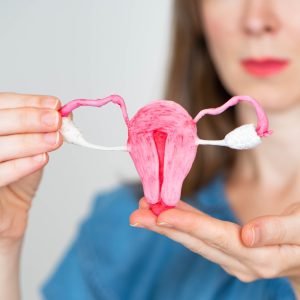
Tubal ligation and reversal are surgical procedures related to female fertility management. Tubal ligation is a permanent contraception method in which the fallopian tubes are blocked or cut to prevent eggs from reaching the uterus, effectively preventing pregnancy. Tubal reversal is a reconstructive surgery that reconnects the fallopian tubes for women who wish to restore fertility. Both procedures are typically performed using minimally invasive techniques, offering shorter recovery times and reduced surgical risks, with the choice depending on the patient’s reproductive goals and overall health.
Frequently Asked Question
Answers to Your Most Common Questions
What is the right age for a gynecological check-up?
Women should have regular gynecological check-ups starting from their late teens or early twenties, or earlier if they experience symptoms such as irregular periods, pain, or reproductive concerns.
What are the signs of pelvic organ prolapse?
Common symptoms include a feeling of pressure or heaviness in the pelvic area, urinary or bowel difficulties, and visible bulging in the vaginal area.
Is laparoscopic surgery safe?
Yes, laparoscopic surgery is minimally invasive, safe, and associated with quicker recovery, minimal scarring, and reduced hospital stay compared to traditional open surgery.
Can I conceive after endometrial ablation?
Endometrial ablation is not recommended for women who wish to conceive, as it removes the uterine lining, which is essential for pregnancy.
What is the difference between normal delivery and C-section?
Normal delivery is a vaginal birth, while a C-section is a surgical procedure used when vaginal delivery is not safe for the mother or baby.
How can I manage heavy menstrual bleeding?
Treatment depends on the cause and may include medication, hormonal therapy, or minimally invasive procedures like endometrial ablation.
When should I see a gynecologist urgently?
Seek immediate consultation if you experience severe pelvic pain, heavy bleeding, unexplained lumps, abnormal discharge, or symptoms of pregnancy complications.
Your Health Is Our Priority
Schedule your consultation today and experience trusted healthcare with compassion.

Quick Links
Partners
- For Doctors
- For Corporates
