Orthopedic Surgery
Overview
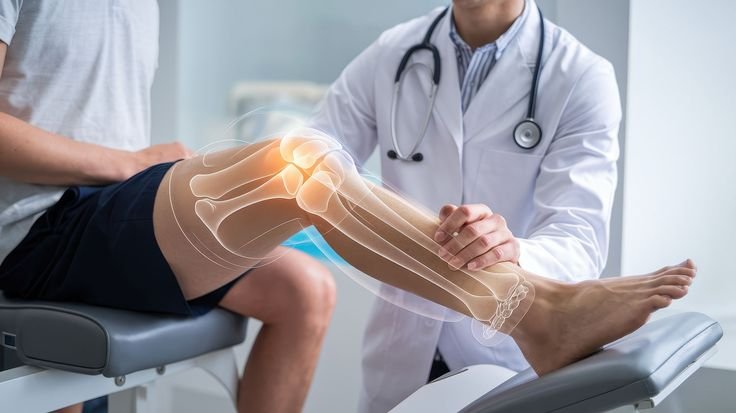
Expert care for bones, joints, and muscles, offering treatments for fractures, arthritis, and sports injuries.
Symptoms
Here are the symptoms indicating that you should visit an orthopedic specialist:
- Chronic medical conditions like diabetes
- Previous orthopedic surgical procedures
- Fractures, sprains, or repetitive strain injuries from sports activities
- Incorrectly lifting objects or poor posture habits
Procedures
- Total Knee Replacement
- Hip Replacement
- Joint Replacement
- Arthroscopy Surgery
- Foot and Ankle Surgery
- Total Knee Arthroplasty
Treatments
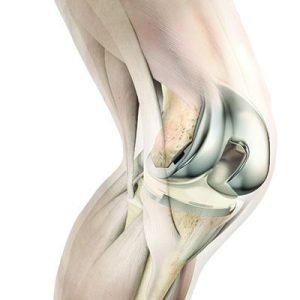
Total Knee Replacement (TKR), also called Total Knee Arthroplasty (TKA), is a surgical procedure in which a damaged or worn-out knee joint is replaced with an artificial implant made of metal and medical-grade plastic. This surgery is recommended for patients experiencing severe knee pain, stiffness, and limited movement caused by conditions such as osteoarthritis, rheumatoid arthritis, post-traumatic arthritis, or advanced joint damage.
TKR helps reduce pain, improve mobility, correct deformities, and enhance overall quality of life. After surgery, patients undergo physiotherapy and rehabilitation to regain strength and flexibility. With proper care, most knee replacements last many years and allow patients to return to daily activities with improved comfort and confidence.
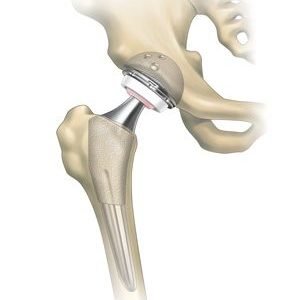
Hip Replacement, also known as Hip Arthroplasty, is a surgical procedure in which a damaged or diseased hip joint is replaced with an artificial implant made of metal, ceramic, or medical-grade plastic. This surgery is commonly recommended for patients suffering from severe hip pain, stiffness, and restricted movement due to conditions such as osteoarthritis, rheumatoid arthritis, avascular necrosis, hip fractures, or long-standing joint damage.
Hip replacement helps relieve chronic pain, improve mobility, correct joint deformities, and enhance overall quality of life. After surgery, patients undergo physiotherapy and rehabilitation to regain strength, balance, and flexibility. With proper post-operative care, most patients experience long-term pain relief and a significant return to daily activities.
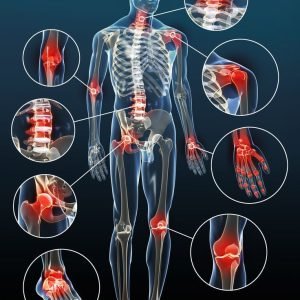
Joint replacement surgery, also known as arthroplasty, is a surgical procedure in which a damaged or diseased joint is replaced with an artificial implant, called a prosthesis. This surgery is typically recommended for patients experiencing severe pain, stiffness, or loss of function due to arthritis, joint degeneration, or traumatic injuries that do not respond to conservative treatments. The goal of joint replacement is to relieve pain, restore joint function, improve mobility, and enhance overall quality of life. Depending on the joint involved—commonly the hip, knee, or shoulder—surgeons may use partial or total replacement techniques.
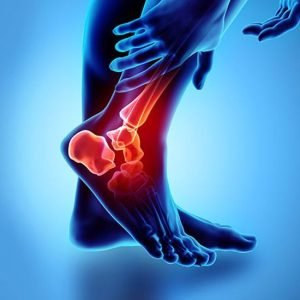
Foot and ankle surgery is performed to treat a variety of conditions, including injuries, congenital or acquired deformities, arthritis, tendon or ligament damage, and other problems that affect mobility or cause chronic pain. These surgeries aim not only to relieve discomfort but also to restore function, improve stability, and enhance overall quality of life. Depending on the severity and complexity of the condition, treatment can range from minimally invasive procedures, such as arthroscopy or small corrective repairs, to major reconstructive surgeries, including joint replacement, tendon transfers, or realignment of bones. Postoperative care and rehabilitation play a crucial role in achieving optimal recovery and long-term outcomes.
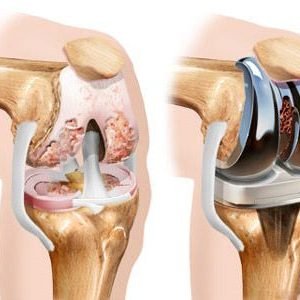
Arthroscopy is a minimally invasive surgical procedure used to both diagnose and treat joint problems. During the procedure, a small camera called an arthroscope is inserted into the joint through tiny incisions. This provides the surgeon with a clear, magnified view of the joint’s internal structures, allowing precise assessment of cartilage, ligaments, and other tissues. Using specialized instruments, the surgeon can then repair or remove damaged tissues, treat inflammation, or correct structural issues—all while minimizing trauma to surrounding muscles and tissues. Arthroscopy typically results in less pain, reduced scarring, faster recovery, and shorter hospital stays compared to traditional open surgery. It is commonly used for joints such as the knee, shoulder, ankle, hip, and wrist.
Frequently Asked Question
Answers to Your Most Common Questions
What is Orthopedics?
Orthopedics is a medical specialty focused on diagnosing, treating, and managing conditions related to bones, joints, muscles, ligaments, tendons, and the spine.
Which conditions do orthopedic doctors treat?
Our orthopedic specialists treat a wide range of conditions, including:
Fractures and dislocations
Arthritis and joint pain
Sports injuries
Back and neck pain
Knee, shoulder, hip, and elbow problems
Ligament and tendon injuries
Osteoporosis
Pediatric orthopedic issues
What types of surgeries are available?
We offer:
Knee, hip, and shoulder replacement
Arthroscopy (keyhole surgeries)
Fracture fixation surgeries
Spine surgeries
Ligament reconstruction (ACL, PCL)
Trauma and emergency orthopedic surgeries
What symptoms indicate I should see an orthopedic doctor?
Visit us if you experience:
Persistent joint or muscle pain
Difficulty walking or lifting objects
Swelling, stiffness, or limited movement
Sudden injury due to fall, accident, or sports
Chronic back or neck pain
Do you provide emergency orthopedic care?
Yes. Our hospital offers 24/7 trauma and emergency orthopedic services for fractures, accidents, and critical injuries.
Is physiotherapy available after treatment or surgery?
Yes. We provide personalized physiotherapy and rehabilitation programs for faster and safer recovery.
How long does recovery take after orthopedic surgery?
Recovery time varies depending on the type of surgery, patient health, and post-operative care.
Most patients can resume routine activities within a few weeks, and full recovery may take a few months.
Your Health Is Our Priority
Schedule your consultation today and experience trusted healthcare with compassion.

Quick Links
• All Rights Reserved • Developed by BookMyWebsite
