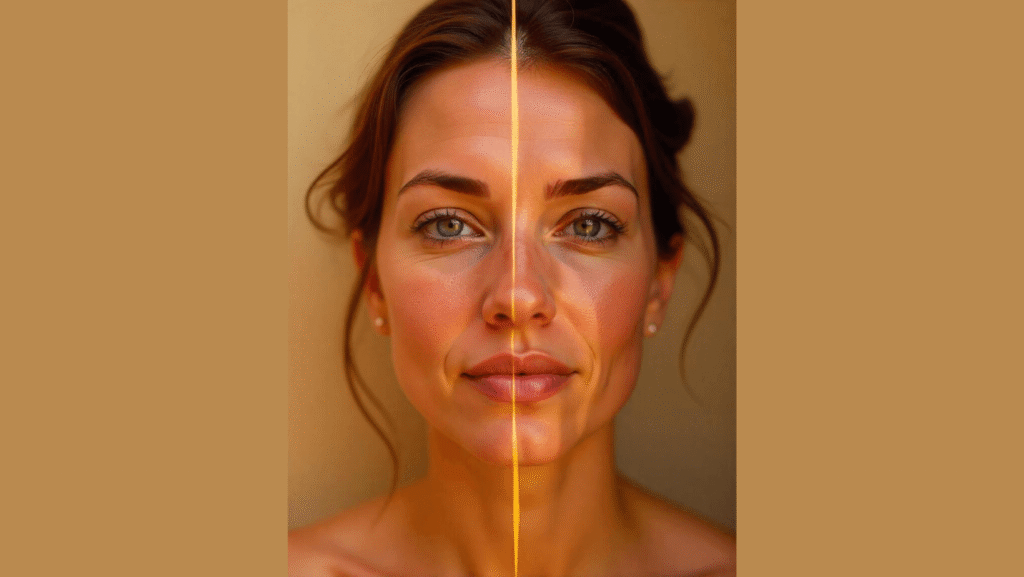
Plastic Surgery

Overview

Aesthetic and reconstructive procedures designed to restore confidence, form, and function.

Symptoms

Damaging skin and tissues

Skin Loss

Abnormal Tissue Growth

Treatments

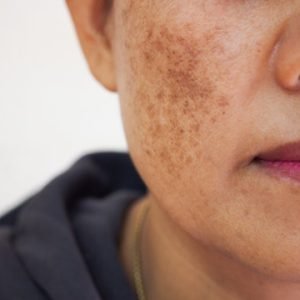
img 2

Treatment for damaged skin and tissues focuses on healing and preventing complications. This includes proper wound care, medications like antibiotics or pain relievers, and in severe cases, skin grafts or reconstructive surgery.

Additional therapies such as laser treatment and good nutrition also help restore tissue function and appearance.

Another key treatment for damaged skin and tissues is physical therapy and rehabilitation, which helps restore movement, strength, and function in the affected area while minimizing scarring.

img 3

Topical medications and dressings – Use of specialized creams, ointments, and moisture-retentive dressings to support healing and prevent infection.

Surgical reconstruction – In severe cases, flap surgery or tissue expansion may be performed to restore skin function and appearance.

Treatment for skin loss involves skin grafts or skin substitutes to cover and protect the affected area, along with wound care, infection prevention, and proper nutrition to promote healing and tissue regeneration.


img 4

Treatment for abnormal tissue growth involves removing or controlling the growth. This can include surgical removal, medications like chemotherapy or hormone therapy for cancerous growths, radiation therapy to shrink tissue, or regular monitoring for small benign growths.

Treatment of abnormal tissue growth focuses on restoring normal tissue function and preventing complications. Surgery is often used to remove unwanted growths, while medications or targeted therapies help control abnormal cell activity. Regular follow-up is essential to monitor for recurrence or changes in the tissue.
 

Frequently Asked Question

Answers to Your Most Common Questions

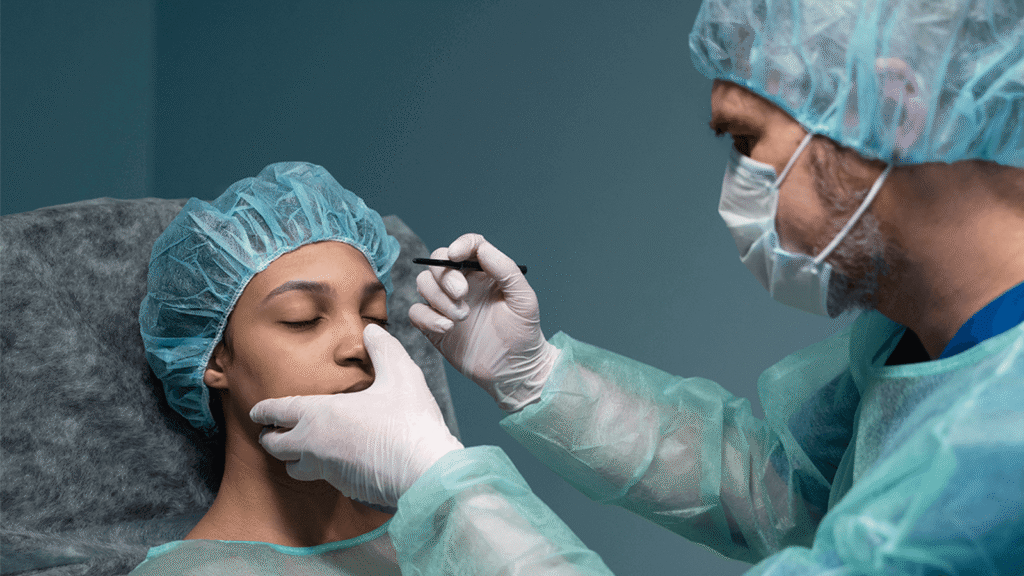
What is plastic and reconstructive surgery?

It is a medical specialty focused on restoring appearance and function of body parts damaged by injury, disease, or congenital conditions.

Common procedures include reconstructive surgery (after accidents or cancer), cosmetic surgery (facial enhancements, body contouring), and microsurgery (skin, tissue, or organ repair).

Most procedures are safe when performed by qualified surgeons, but risks include infection, bleeding, scarring, and anesthesia-related complications.

Recovery varies by procedure—minor procedures may take days, while major reconstructions can take weeks to months.

Your Health Is Our Priority

Schedule your consultation today and experience trusted healthcare with compassion.

ChatGPT_Image_Jan_29__2026__10_29_47_AM-removebg-preview

Partners

• All Rights Reserved • Developed by BookMyWebsite
Shopping cart0
There are no products in the cart!
Continue shopping
0