Pulmonology is the branch of medicine that deals with the diagnosis, treatment, and prevention of diseases affecting the lungs and respiratory system. Treatment may include medications, inhalers, oxygen therapy, pulmonary rehabilitation, and sometimes surgical procedures.
Chest pain is a symptom that can range from mild discomfort to severe, life-threatening pain and may arise from the heart, lungs, digestive system, or muscles of the chest wall. It can present as pressure, tightness, burning, or sharp stabbing pain, sometimes radiating to the arm, shoulder, neck, jaw, or back. Other accompanying symptoms may include shortness of breath, sweating, nausea, dizziness, or an irregular heartbeat.
Because chest pain can signal a medical emergency, it is important to seek immediate medical attention if the pain is severe, sudden, or accompanied by other concerning symptoms.
If wheezing is triggered by allergies, antihistamines or allergy management strategies can help. Avoiding triggers such as smoke, dust, cold air, or allergens is also important. oxygen therapy or hospitalization may be needed to ensure adequate oxygen supply. Persistent or worsening wheezing should always be evaluated by a healthcare professional to prevent complications.
Avoiding triggers like smoke, dust, or cold air is also important. In severe cases, oxygen therapy or hospitalization may be necessary to maintain proper oxygen levels. Persistent, worsening, or sudden-onset wheezing should always be evaluated by a healthcare professional to prevent complications.
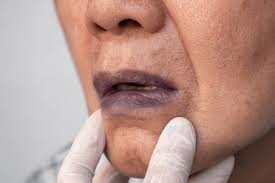
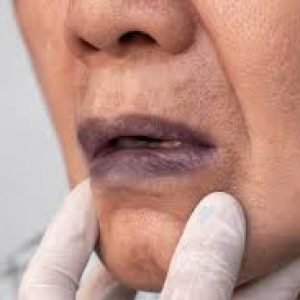
Improving circulation through warming the extremities, avoiding cold exposure, and managing vascular conditions can also help. Lifestyle adjustments such as regular exercise, quitting smoking, and managing chronic illnesses like Diabetes or high blood pressure support long-term oxygen delivery.
For sudden or severe cyanosis, emergency medical intervention is critical, including supplemental oxygen, intravenous medications, or mechanical ventilation if breathing is compromised. Heart-related causes may require surgical correction, stent placement, or medications to improve cardiac output and blood oxygenation.
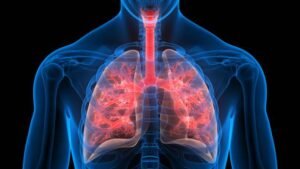
Pulmonology is the branch of medicine that focuses on diagnosing and treating diseases of the lungs and respiratory system, including the airways, lungs, and diaphragm.
Common conditions include Asthma, Chronic Obstructive Pulmonary Disease, Pneumonia, Tuberculosis, and Lung Cancer.
Persistent cough, shortness of breath, chest pain, wheezing, coughing up blood, frequent lung infections, unexplained fatigue, or bluish lips and fingers are signs to consult a pulmonologist.
Consult a pulmonologist if you have chronic cough, persistent shortness of breath, wheezing, unexplained fatigue, recurrent respiratory infections, or any symptoms affecting breathing.
Schedule your consultation today and experience trusted healthcare with compassion.