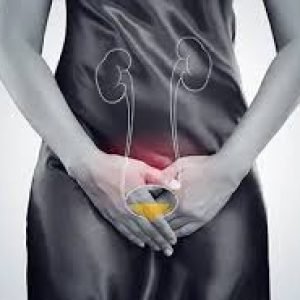
Expert management of kidney diseases, dialysis services, and kidney transplant programs
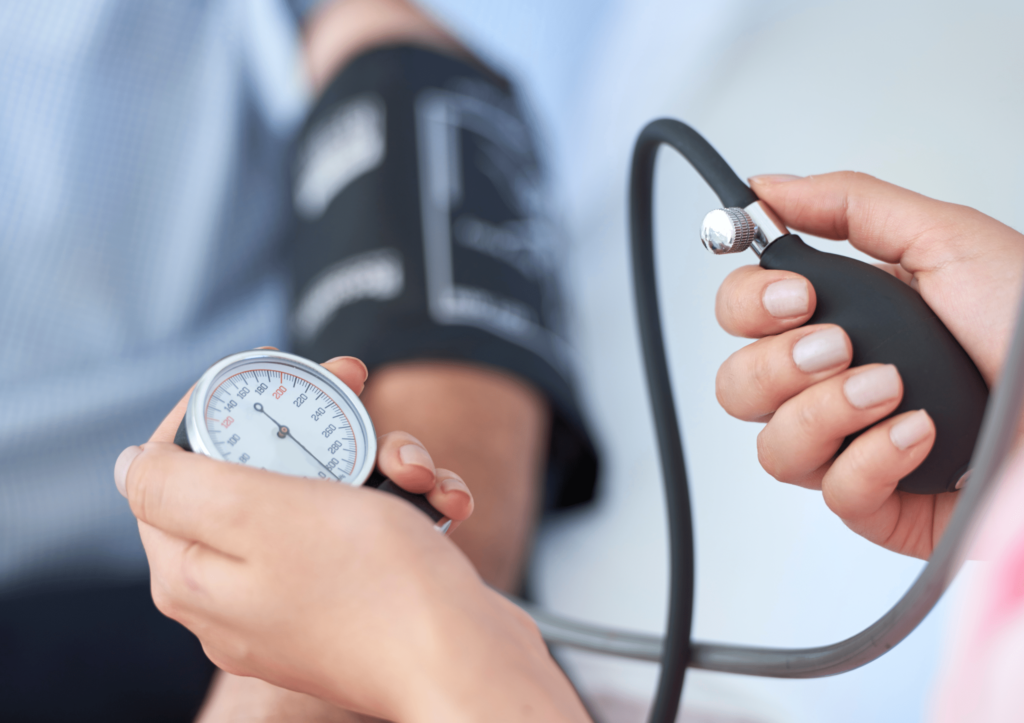
It usually begins with lifestyle modifications like following the DASH Diet, which emphasizes fruits, vegetables, whole grains, and low-fat dairy while reducing sodium and processed foods. Regular physical activity, maintaining a healthy body weight, limiting alcohol consumption, quitting smoking, managing stress, and getting enough sleep also help control blood pressure.
doctors may use a combination of medications and closely monitor the patient to keep blood pressure within a safe range.
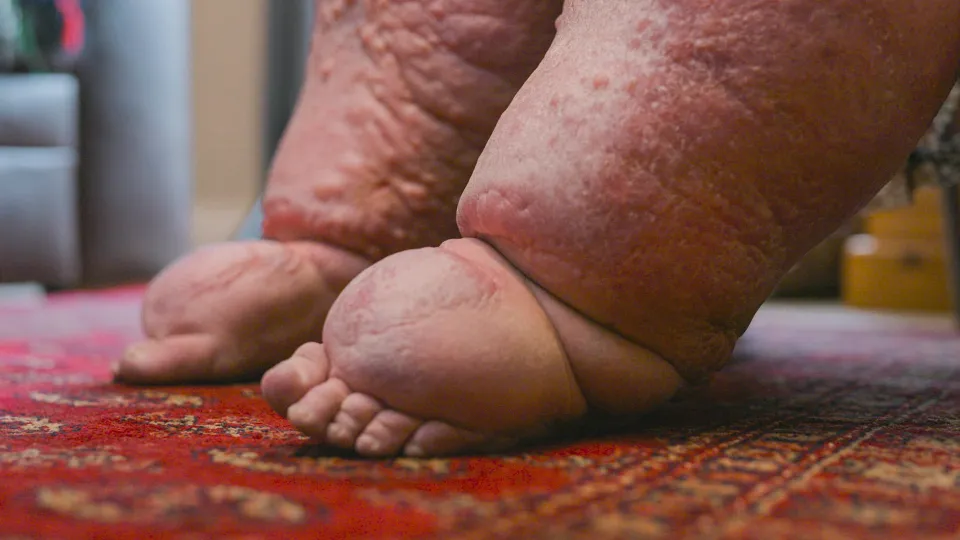
Doctors may recommend reducing salt intake, elevating the swollen limbs, staying physically active, and wearing compression stockings to improve blood circulation and reduce fluid buildup. In some cases, medications such as diuretics (water pills) like Furosemide may be prescribed to help the body remove excess fluid through urine.
Maintaining a healthy weight, drinking adequate water, and avoiding long periods of sitting or standing can also help prevent swelling. In severe or persistent cases, medical evaluation and regular monitoring are important to prevent complications and ensure proper treatment.
Doctors usually begin by diagnosing the cause through urine tests, blood tests, or imaging studies. If the problem is due to a bacterial infection like a UTI, antibiotics may be prescribed, while medications such as Furosemide may be used in some cases to help remove excess fluid from the body when kidney function is affected.
Treatment may also include drinking enough fluids, reducing salt intake, and avoiding substances that irritate the bladder, such as caffeine or alcohol. Managing underlying health conditions, maintaining a healthy diet, and following the doctor’s treatment plan are important to restore normal urination and prevent further complications.
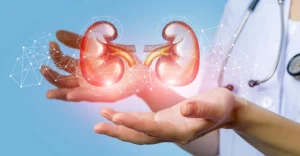
Nephrology is the branch of medicine that focuses on the diagnosis and treatment of kidney-related diseases and disorders.
A Nephrology specialist, called a nephrologist, is a doctor who treats conditions affecting the kidneys, including Chronic Kidney Disease, kidney failure, and electrolyte imbalances.
Symptoms may include swelling in the legs or face, changes in urination, fatigue, nausea, and High Blood Pressure.
Doctors diagnose kidney problems using blood tests, urine tests, imaging scans, and sometimes a kidney biopsy.
Schedule your consultation today and experience trusted healthcare with compassion.