Neurosurgery

Overview

Expert management of kidney diseases, dialysis services, and kidney transplant programs.

Symptoms

persistent headaches

neck pain

Memory loss or personality changes

Treatments

im

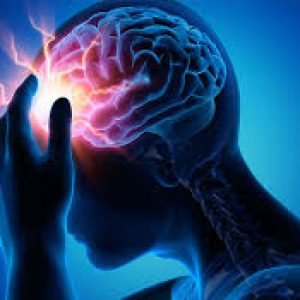
Doctors often recommend lifestyle changes such as getting adequate rest, maintaining regular sleep patterns, drinking enough water, managing stress, and avoiding triggers like bright lights, loud noises, or certain foods. Over-the-counter pain relief medications such as Paracetamol or Ibuprofen may help reduce headache pain.

When headaches are linked to conditions like Migraine or Tension Headache, doctors may prescribe preventive medications, recommend physical therapy, or suggest avoiding specific triggers such as caffeine, lack of sleep, or stress.
oo

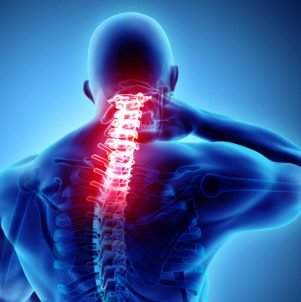
Treatment for neck pain usually depends on the cause and severity of the pain. In many cases, mild neck pain can be treated with rest and avoiding activities that strain the neck. Applying hot or cold compresses to the affected area can help reduce pain and swelling

 Maintaining good posture while sitting, working on computers, or using mobile phones also helps prevent further strain. In more severe cases, doctors may suggest muscle relaxant medicines, physiotherapy, or rarely surgery if there is nerve compression or a serious spinal problem.

uu

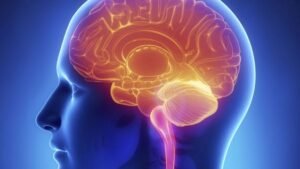
Maintaining a healthy routine that includes regular physical activity, balanced nutrition, adequate sleep, and mental exercises such as reading or puzzles can support memory and cognitive health. Early diagnosis, regular medical monitoring, and supportive care from family members and healthcare professionals are important for improving the patient’s quality of life and slowing disease progression.

Doctors may recommend medications, cognitive therapy, and lifestyle modifications to slow the progression of memory problems and stabilize behavior. Engaging in mentally stimulating activities such as reading, puzzles, learning new skills, and social interaction can help support cognitive health.

Frequently Asked Question

Answers to Your Most Common Questions

1. What is neurosurgery?

Neurosurgery is a medical specialty that focuses on the surgical treatment of disorders affecting the brain, spine, and nervous system.

A neurosurgeon is a doctor specially trained to diagnose and perform surgery on conditions related to the brain, spinal cord, and nerves.

Neurosurgeons treat conditions such as brain tumors, spinal disc problems, head injuries, brain hemorrhage, nerve disorders, and spinal cord injuries.

Possible risks include infection, bleeding, nerve damage, or complications from anesthesia, although these are carefully managed by doctors.

Your Health Is Our Priority

Schedule your consultation today and experience trusted healthcare with compassion.

ChatGPT_Image_Jan_29__2026__10_29_47_AM-removebg-preview

Partners

• All Rights Reserved • Developed by BookMyWebsite
Shopping cart0
There are no products in the cart!
Continue shopping
0